M3-3-01 - High temperature electrolysis


Description
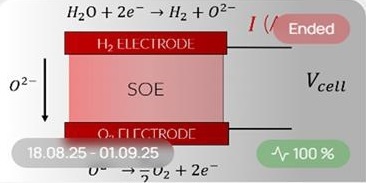
The microcredential "M3-3-01 - High temperature electrolysis" focuses on the process of using electrolysis at high temperatures to split water into hydrogen and oxygen. Participants will learn about the principles, equipment, and applications of high temperature electrolysis, as well as the advantages and challenges associated with this technology. This microcredential provides a comprehensive understanding of how high temperature electrolysis can be used as a sustainable method for hydrogen production.
Learn-and-Earn Microcredentials
Learn-and-earn microcredentials require completing a structured learning experience, such as a course, workshop, or learning path. Afterward, you must demonstrate mastery of the acquired skills through assessments or evaluations. This type ensures your knowledge is both acquired and validated, making it ideal for those seeking to enhance their expertise while earning a recognized credential. It combines education and skill validation, offering a clear pathway to professional growth.
Non-Formal Learning
This microcredential supports non-formal learning experiences. It recognizes skills gained through workshops, online courses, or workplace training, offering a flexible way to validate targeted learning outcomes. It's perfect for those seeking recognition for practical, hands-on learning outside traditional institutions.
Details
Non-Formal
Learn & Earn
English
5 years
25:00Learning Hours: 25ECTS: 1
Advanced
EQF - Europe: Level 6Skills you will earn
Our approach
We are driving a step change in qualitative microcredentialing and the issuance of microcertifications.
Certifications are awarded based on demonstrated skills, ensuring that competencies are validated through evidence.
With activity-based assessments and certified assessors, microcredentials can be earned significantly faster than through traditional methods, while maintaining high standards of quality and reliability.
Start Issuing Microcredential
Use a platform validated by industry experts